


NOFFZ provides standardized and customized test systems for humanoid robots, validating electronics, firmware, and system behavior from early development through series production with HIL/SIL simulation, burn-in, fault insertion, and end-of-line testing.
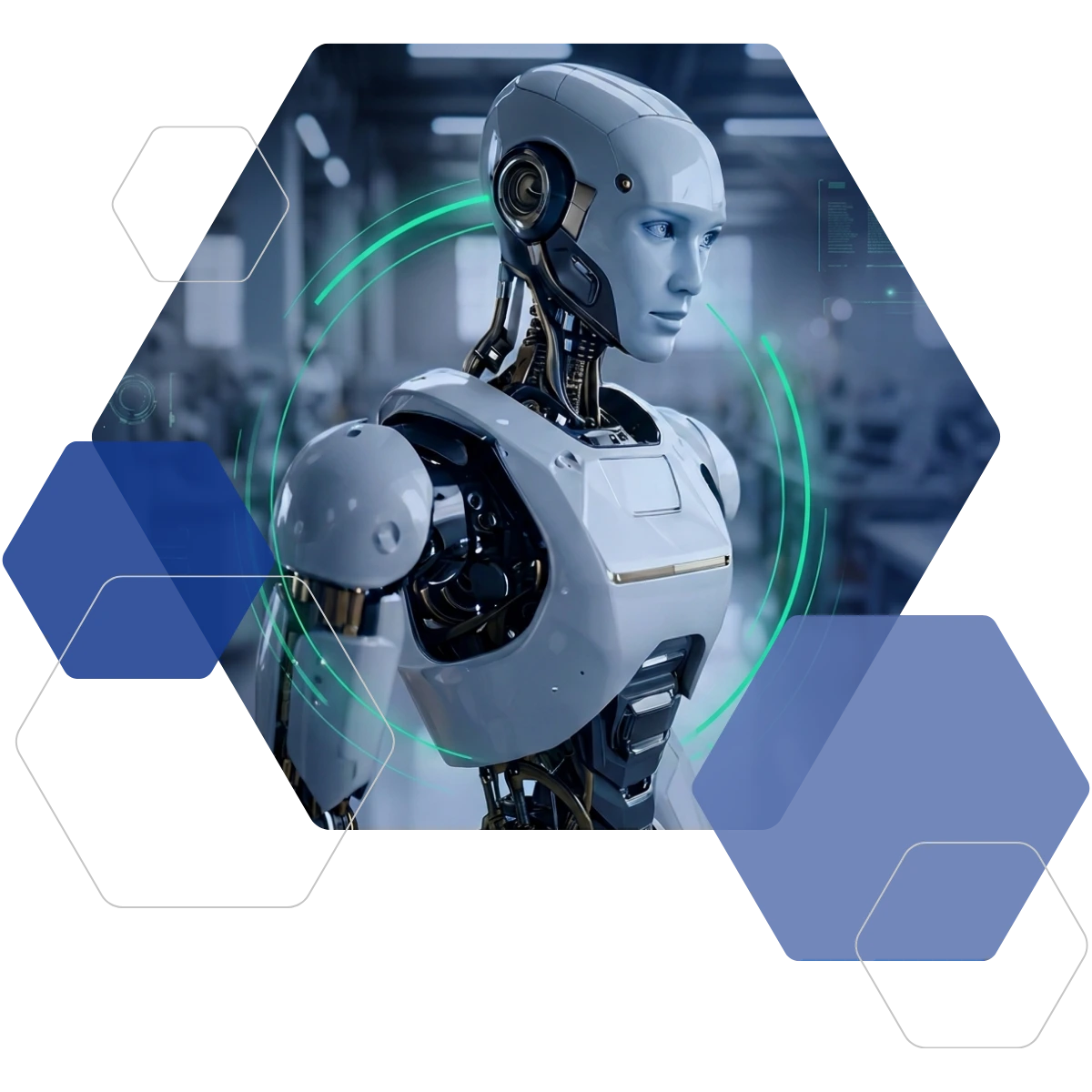
Test Solutions for Humanoid Robots
Standardized Test Methods for the Next Generation of Intelligent Robotic Systems
Humanoid robots combine sensing technology, artificial intelligence, motion control, connectivity, and power management within a highly complex electronic system. To ensure safety, reliability, and performance, all electronic and software-based components must be thoroughly tested throughout development, validation, and production.
NOFFZ provides standardized and customized test solutions for validating the electronics, functionality, and system behavior of humanoid robots.
Why Humanoid Robots Need to Be Tested
Up to 85-90% of a humanoid robot’s functionality is based on electronics and software. From computer vision and AI-driven decision-making to motor control, battery systems, and power management, all components must work together reliably and seamlessly.
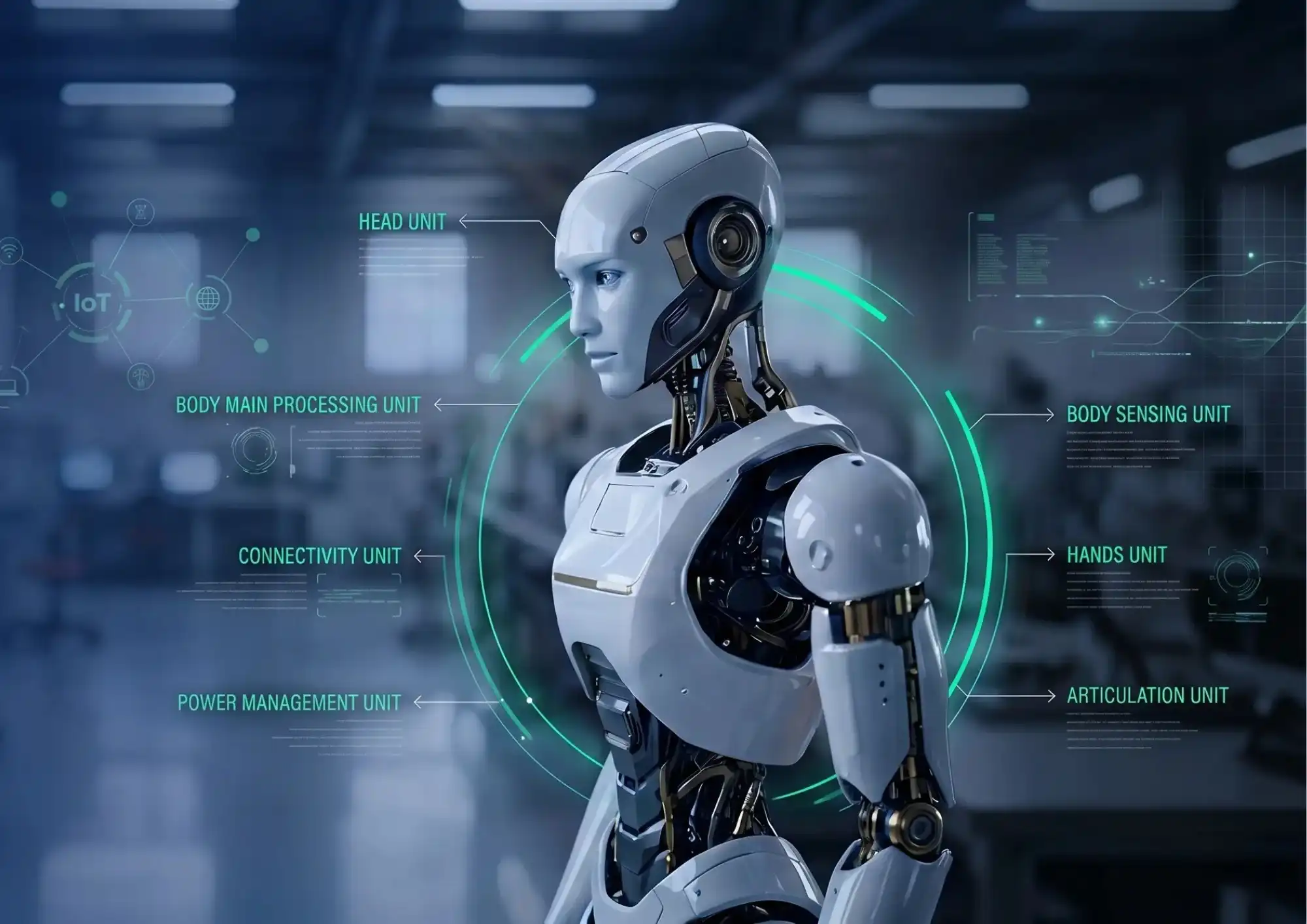
Our test solutions support the validation of all key robotic subsystems:
- Audio, Radar, and Vision Systems in the Head
- Central Processing and AI Units (CPU/GPU) in the Robot’s Body
- Additional Sensors and IMU Modules (Temperature, LiDAR, Camera, GNSS)
- Communication and Connectivity Units (Wireless, Bluetooth, 5G)
- Motor and Actuator Control Systems as well as Power Electronics
- Battery Management Systems (BMS)
- Power Supply and Power Management Systems
- Tactile and Time-of-Flight (ToF) Sensors
Standardized NOFFZ Test Methods
HIL and SIL Testing
Validation of hardware and software interactions in realistic simulation environments as early as the initial development phases.Burn-In Testing
Detection of early-life failures and assurance of long-term system reliability through controlled stress and endurance testing.Fault Insertion Testing
Verification of system robustness through targeted simulation of faults, failures, and boundary conditions.Flashing & Programming
Secure programming of firmware and software, including version management and full traceabilityEnd-of-Line (EOL) Testing
Automated functional, boundary, and production testing to ensure the highest product quality before deliveryAdvantages
- Improved Reliability and Product Safety
- Faster Development and Validation Cycles
- Reduced Development Risk
- Scalable Test Architectures
- Automated Data Collection and Full Traceability
- Production Readiness and Standardized Testing Processes
Application Areas
NOFFZ test solutions are ideal for:
- Humanoid industrial robots: for manufacturing and production lines
- Logistics and warehouse robotics: for autonomous picking, sorting, and material handling
- Service and assistance robots: for hospitality, retail, and customer-facing assistance tasks
- Medical robotics: for surgical assistance, rehabilitation, and patient care
- Aerospace and defense applications: for mission-critical and safety-relevant robotic systems
- Research and development platforms: for university labs and next-generation robotics research
Prepare Your Humanoid Robots for Real-World Deployment
NOFFZ supports manufacturers with scalable test solutions for the development, validation, and production of humanoid robotic systems.
Talk to our experts about your testing strategy for humanoid robotics.
Frequently Asked Questions (FAQ)
How are humanoid robots tested before deployment?
Humanoid robots are tested using a combination of hardware-in-the-loop (HIL) and software-in-the-loop (SIL) simulation, burn-in stress testing, fault insertion testing, firmware flashing/programming, and end-of-line (EOL) functional testing. NOFFZ provides standardized and customized test systems for each of these stages, from development to production.
What percentage of a humanoid robot’s functionality depends on electronics and software?
Up to 85–90% of a humanoid robot’s functionality is based on electronics and software, including computer vision, AI-driven decision-making, motor control, battery systems, and power management. This is why thorough testing of these subsystems is essential.
Which subsystems of a humanoid robot need to be tested?
Key subsystems include audio, radar, and vision systems in the head, central processing and AI units (CPU/GPU), sensor and IMU modules (temperature, LiDAR, camera, GNSS), communication units (wireless, Bluetooth, 5G), motor and actuator control with power electronics, battery management systems (BMS), power supply systems, and tactile and ToF
What is end-of-line (EOL) testing for humanoid robots?
EOL testing comprises automated functional, boundary, and production tests performed immediately before delivery to ensure that every unit meets quality standards before it leaves production.
Which industries are NOFFZ test solutions for humanoid robots suited for?
NOFFZ test solutions are suited for humanoid industrial robots, logistics and warehouse robotics, service and assistance robots, medical robotics, aerospace and defense applications, and research and development platforms.
Can test systems for humanoid robots scale from prototype to series production?
Yes. NOFFZ test architectures are designed to scale, from early HIL/SIL validation in development to burn-in and EOL testing in series production, with automated data collection and full traceability at every stage.
DO YOU HAVE ANY QUESTIONS?
Speak with our experts directly!
Let us know the details of your project. We’re curious about your ideas, products, and requirements and would be glad to advise you specifically about your requests.
Together we’ll make your project a success!
Let’s set up a meeting.
