


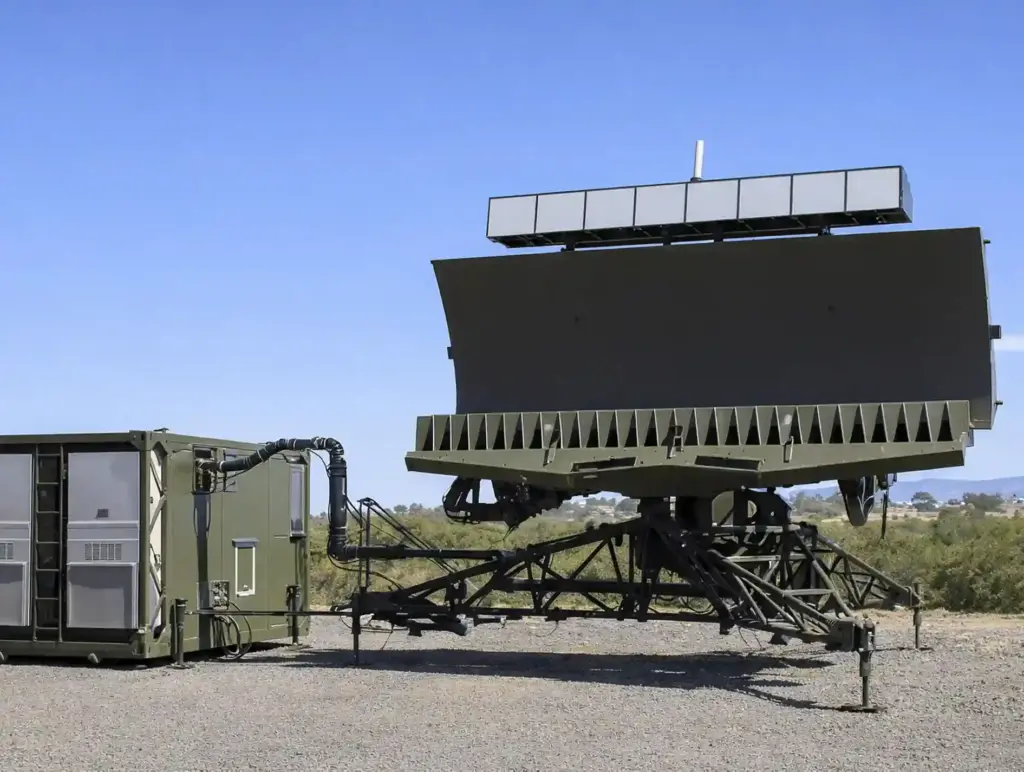
Radar Systems
Radar Systems Development:
From Concept to Mission-Ready Performance
Radar systems are at the heart of modern aerospace and defense operations. Whether used for early warning, surveillance, or airspace monitoring, they must deliver precise, reliable performance under highly demanding and unpredictable conditions.
As radar technologies evolve, development is becoming increasingly complex. Modern radar systems are no longer static components—they are adaptive, software-driven platforms that must perform in dynamic electromagnetic environments. This makes radar systems development not only a design challenge, but also a validation and testing challenge.
At NOFFZ Technologies, radar systems development is approached as an integrated process—combining advanced RF engineering, high-performance signal processing, and realistic testing methodologies to ensure systems are ready for real-world deployment.

The Foundations of Modern Radar Development
Developing a radar system today requires the integration of multiple disciplines. Hardware design, signal processing, and software control must work seamlessly together to achieve the required performance. Modern radar architectures rely on technologies such as Software-Defined Radio (SDR) and FPGA-based signal processing.
These technologies provide the flexibility to design adaptable radar systems with configurable waveforms and real-time data analysis capabilities. This flexibility allows radar systems to adjust to different operational scenarios—an essential capability in aerospace and defense applications, where conditions change rapidly and unpredictably.
Designing High-Performance Radar Transceivers
At the core of every radar system is the radar transceiver. Its performance directly determines how accurately targets can be detected, tracked, and classified.
NOFFZ develops high-performance radar transceivers that combine advanced RF design with FPGA-based signal processing. These systems make it possible to:
- High-resolution target detection
- Reliable and fast signal processing
- Stable operation under challenging conditions
These systems are specifically designed for mission-critical applications such as early warning, surveillance, and air defense, where precision and reliability are non-negotiable.
A key aspect of radar systems development is ensuring that these transceivers not only perform under ideal conditions but also maintain accuracy in real-world scenarios involving noise, interference, and complex signal environments.


From Design to Validation: Bridging the Gap
One of the biggest challenges in radar systems development is the transition from theoretical design to validated performance. Radar systems must be verified across a wide range of conditions before deployment.
This includes testing their ability to detect and track multiple targets, handle varying signal strengths, and maintain performance under interference. To achieve this, developers rely on realistic simulation and testing environments that replicate real-world operating conditions. These environments allow:
- Validation of signal processing algorithms
- Testing of detection and tracking performance
- Verification of system behavior under dynamic conditions
This step is critical to ensure that the radar system behaves as expected—not only in controlled environments but also in real operational scenarios.
Realistic Radar Simulation for Accurate Development
Simulation plays a central role in radar systems development. It enables engineers to evaluate system performance without the need for constant field testing, significantly accelerating development cycles.
Advanced radar systems can simulate complex environments, including multiple dynamic targets with varying speed, direction, and signal characteristics.
This capability allows developers to:
- Test detection accuracy in multi-target scenarios
- Analyze system response to rapidly changing environments
- Validate tracking algorithms under realistic conditions
By incorporating simulation early in the development process, potential issues can be identified and resolved long before deployment.
Ensuring Performance in Complex Electromagnetic Environments
Radar systems must operate in environments where signals overlap, interfere, and constantly evolve. This makes reliable performance a critical requirement.
To address this, radar development must consider:
- Signal interference and clutter
- Dynamic target behavior
- Changing environmental conditions
Testing and validation processes are designed to replicate these challenges as closely as possible, ensuring that radar systems can perform reliably in real operational environments.
Accelerating Development Through Integrated Testing
Speed is a key factor in modern radar systems development. New technologies must be developed, tested, and deployed faster than ever before.
Integrated testing approaches help achieve this by combining development and validation into a continuous process. Instead of testing at the end of development, systems are evaluated throughout the entire lifecycle.
This approach enables:
- Early identification of design issues
- Continuous optimization of system performance
- Reduced development time and risk
The result is a more efficient development process and a higher level of confidence in the final system.
From Prototype to Deployment
The final phase of radar systems development focuses on ensuring that the system is ready for real-world operation.
This involves validating not only individual components but also the overall system performance under realistic conditions. Every aspect—from signal processing to detection accuracy—must be thoroughly verified.
By combining advanced engineering with comprehensive validation, radar systems can transition from prototype to operational deployment with confidence.
Shaping the Future of Radar Systems
Radar systems continue to evolve, driven by advancements in digital signal processing and software-defined architectures.
As these technologies advance, the complexity of development will continue to increase.
Successful radar systems development will depend on the ability to combine innovation with robust validation—ensuring that new technologies deliver reliable performance in real-world environments.
At NOFFZ Technologies, this combination of expertise and technology enables the development of radar systems that meet the highest standards of accuracy, reliability, and mission readiness.